


Indoor air quality (IAQ) plays a bigger role in our daily lives than many people realize. In West Michigan, where winters are long and homes remain sealed tight to keep out the cold, indoor air often becomes more polluted than the air outside. Studies show that people spend more than 90 percent of their time indoors, and the air inside can be two to five times more polluted than outdoor air.
Indoor Air Quality in Michigan Homes & Why It Matters
Poor indoor air quality inside your home can lead to health issues, discomfort, and even higher energy bills. For families across Livonia and other Michigan communities, paying attention to IAQ is essential for creating a safe and comfortable home. This article will explain why indoor air quality matters, the seasonal challenges unique to Michigan heating, and the steps you can take to improve your air quality.
What Is Indoor Air Quality?
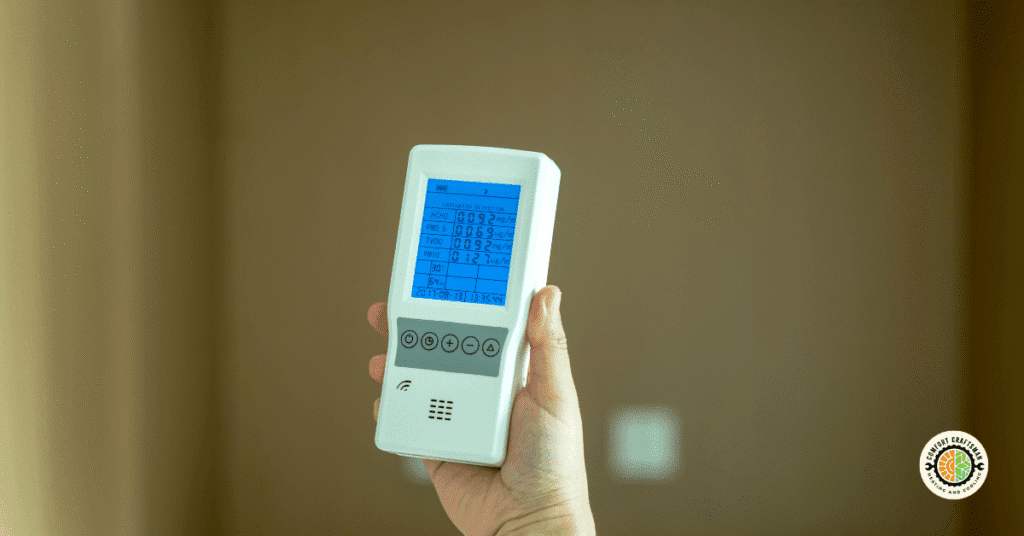
Indoor air quality refers to the cleanliness and condition of the air circulating inside your home. It is influenced by ventilation, air filters, humidity level, and the presence of indoor pollutants such as mold, dust, or VOCs (volatile organic compounds). The quality of the air indoors directly affects how healthy and comfortable your home environment feels.
Common Indoor Pollutants in Michigan Homes
Michigan homes often deal with several indoor air pollutants that contribute to poor IAQ:
- Dust and pet dander – everyday allergens that build up quickly.
- Pollen – especially during spring and summer, often tracked in from outside air.
- Mold and mildew – thrive in damp basements, bathrooms, or areas with poor ventilation.
- Smoke – from cooking, fireplaces, or tobacco use.
- Radon gas – a naturally occurring but harmful gas that seeps into Michigan basements.
- Cleaning products and air fresheners – which can release volatile organic compounds.
Because many homes in Michigan are tightly sealed for energy efficiency, these pollutants circulate through the HVAC system and air inside your home without proper filtration.
Why Indoor Air Quality Matters for Michigan Residents
Health Impacts
Poor air quality is linked to headaches, fatigue, coughing, allergies, and respiratory conditions like asthma. Children, seniors, and people with existing health issues are more vulnerable. Over time, exposure to pollutants like mold spores and particulates can trigger allergy symptoms and worsen chronic conditions.
Comfort in the Home
A house with stale air, musty odors, or unbalanced humidity feels less livable. During dry Michigan winters, low humidity and constant heating can cause dry winter air, leading to irritated sinuses, cracked skin, and increased susceptibility to colds and viruses.
Energy Efficiency Connection
Dirty filters, clogged ducts, and blocked ventilation don’t just cause air quality issues; they also make heating and cooling systems less efficient. An overworked HVAC system drives up bills and increases wear and tear.
Seasonal Challenges Affecting West Michigan IAQ
Each season in Michigan brings unique air quality issues:
- Winter: Sealed homes trap indoor pollutants, leading to dry air and a buildup of contaminants.
- Spring: Pollen and allergens increase, making families more prone to allergy flare-ups.
- Summer: High humidity levels contribute to mold growth and musty odors.
- Fall: Dust, debris, and leaf matter affect air filters and ductwork.
Recognizing these patterns helps Michigan homeowners take preventive steps and invest in the right air purification system.
Signs of Poor Indoor Air Quality
Not sure if you have indoor air quality problems? Look for these warning signs:
- Frequent coughing, sneezing, or worsening of asthma at home.
- Stale air or musty odors, especially in basements.
- Dust buildup on surfaces soon after cleaning.
- Visible mold growth or mildew patches.
- Uneven heating, dirty HVAC filters, or reduced system efficiency.
Solutions to Improve Indoor Air Quality
Professional HVAC Maintenance
Routine inspections and HVAC repair services help ensure clean operation. Technicians check filters, coils, and airflow, preventing buildup of contaminants.
Ductwork Cleaning and Repair
Over time, ducts collect dust mites, allergens, and debris. Professional duct cleaning and repair restores proper airflow and reduces indoor pollutants.
Air Purification and Filtration
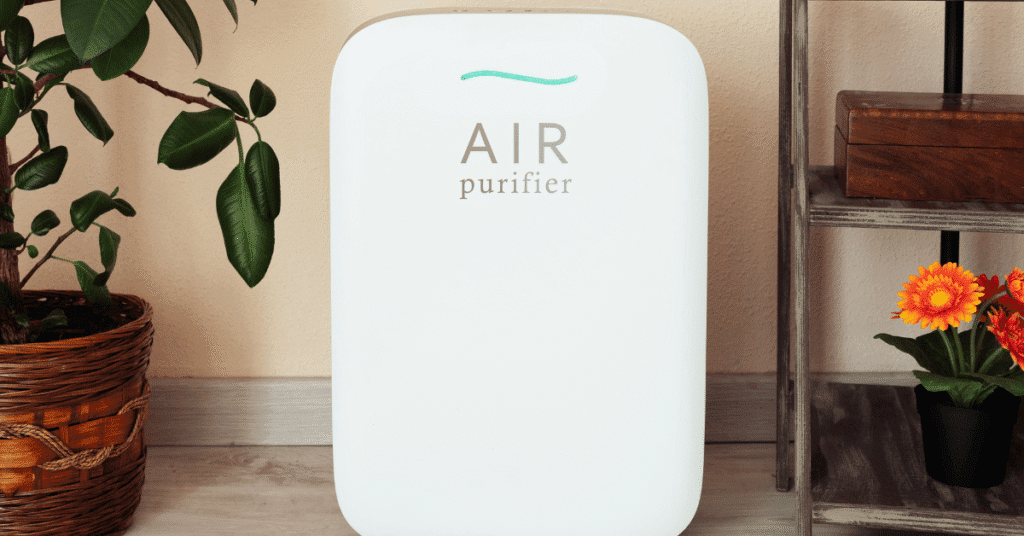
Whole-home air purifiers and HEPA filters trap particulates and allergens. A high-efficiency particulate air system offers the best air purification for families with asthma or allergies. UV lights can reduce bacteria and virus particles, delivering cleaner air indoors.
Humidity Control
- Whole-home humidifier systems add moisture in winter, reducing dry skin and respiratory irritation.
- Dehumidifiers keep summer air balanced, preventing mold spores and mildew.
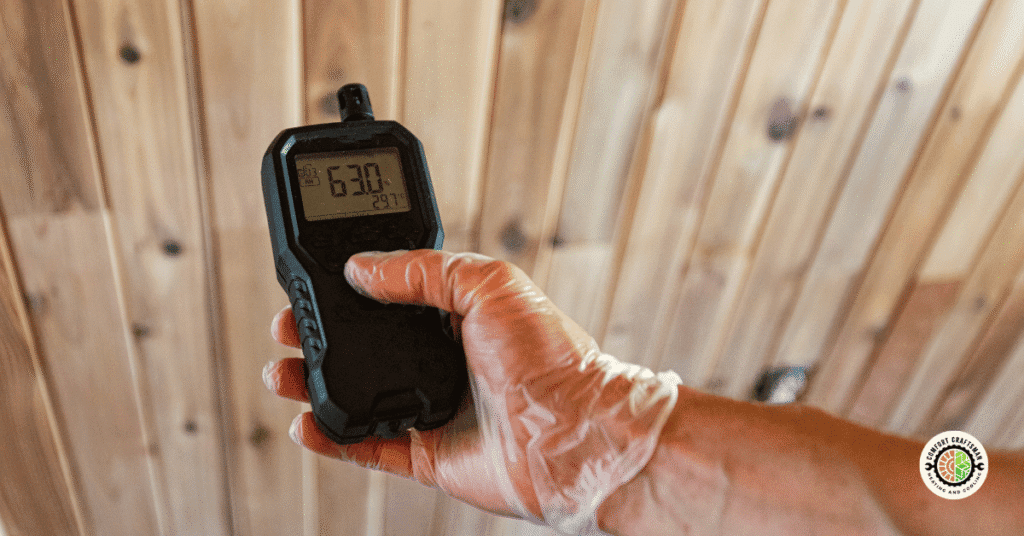
- Monitoring and maintaining optimal humidity is critical for healthy indoor air.
Proper Ventilation
Installing ventilation systems and exhaust fans prevents stale air from lingering. Kitchens and bathrooms benefit most from targeted air cleaner solutions.
How Third Coast Heating and Air Helps West Michigan Families
At Third Coast Heating and Air, we’re dedicated to helping homeowners breathe easier. Our IAQ services include:
- Furnace and AC repair and installation for cleaner system operation.
- Air quality equipment like HEPA filters and UV lights.
- Humidity solutions to combat dry winter air or excessive summer moisture.
- Expert advice from local air quality experts who understand why quality matters more in Michigan.
With certified technicians and reliable HVAC solutions, our systems help families across West Michigan improve their indoor environment.
Preventive Steps Homeowners Can Take
You can also take simple steps to improve their indoor air quality:
- Replace air filters every 1–3 months.
- Vacuum and dust regularly to control pet dander and allergens.
- Run exhaust fans when using bathrooms or cooking.
- Use an air cleaner or HEPA-based purifier.
- Schedule HVAC installation, cleaning, or repair seasonally.
- Install a carbon monoxide detector for safety.
- Limit indoor pollutants like harsh cleaning products.
These steps you can take build a foundation for cleaner indoor air.
Long-Term Benefits of High Indoor Air Quality
Investing in high indoor air quality offers both comfort and financial returns:
- Fewer respiratory triggers and doctor visits.
- Greater comfort through balanced humidity level control.
- Longer lifespan for HVAC systems with regular cleaning, repair, and installation.
- Increased property value and appeal.
- Helping homeowners protect their family’s health and safety.
Final Thoughts
Indoor air quality matters for every Michigan home, especially during long winters when residents spend more time indoors. By addressing the causes of indoor air pollution, controlling humidity, and maintaining your HVAC system, you ensure a safe and comfortable environment.
If you’re facing indoor air quality issues, trust Third Coast Heating and Air dedicated to helping homeowners achieve cleaner indoor air and lasting comfort.