


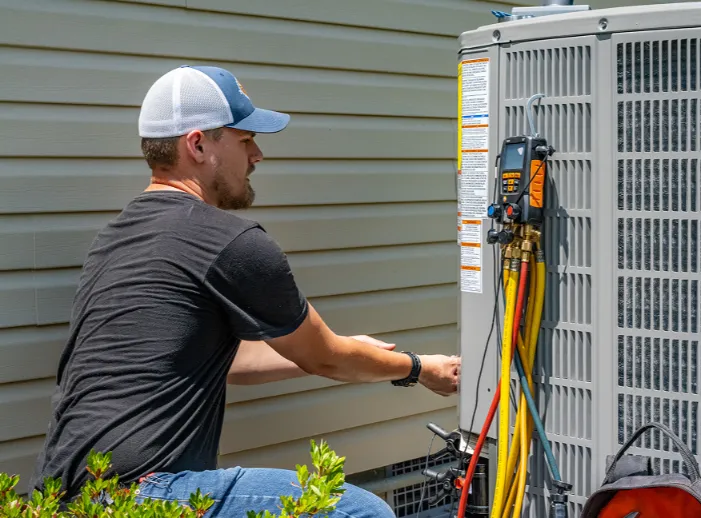
Michigan winters are long, cold, and demanding. With snow piling up and temperatures often dipping well below freezing, homeowners need a heating system they can trust.
While the gas furnace has long been the go-to choice, more and more Livonia residents are asking if a heat pump in Michigan can handle these conditions. The answer isn’t a simple yes or no. It depends on your home, your energy needs, and the type of heating system you choose.
This guide explains how heat pumps handle winter conditions, how they work, their efficiency, and whether they are the right choice for your Michigan home.
What is a Heat Pump?
A heat pump is an HVAC system that provides both heating and cooling your home. Instead of burning fossil fuel, a heat pump moves heat from one place to another using a refrigerant cycle.
- Winter operation: The pump extracts heat from the outdoor air and transfers it indoors to keep your home warm. Even during Michigan’s frigid winters, a modern cold climate heat pump system can extract enough heat to provide comfort.
- Summer operation: It works like an air conditioner, removing heat from inside your home and releasing it outdoors to keep your home cool.
Main Types of Heat Pumps
- Air-source heat pumps: The most common for Michigan homes.
- Ground-source (geothermal): Highly efficient but costly to install a heat pump of this type.
- Ductless mini-splits: Great for zoned heating and cooling without major duct installation.
Since heat pumps provide both heating and cooling, they can replace a furnace and air conditioner, offering one energy-efficient option for heating and cooling your home.
Michigan Winters: Heating Challenges
Michigan’s climate makes heating more challenging than in many other states.
- Freezing conditions: Michigan’s frigid winters often see lows below 10°F.
- Long season: Heating is required for many months.
- Furnace tradition: A furnace has been the reliable standard because it generates heat quickly in harsh winters.
This is why many homeowners consider whether a heat pump alone can keep up or if a hybrid system pairing a furnace with a heat pump is the right choice.
Can Heat Pumps Handle Cold Weather?
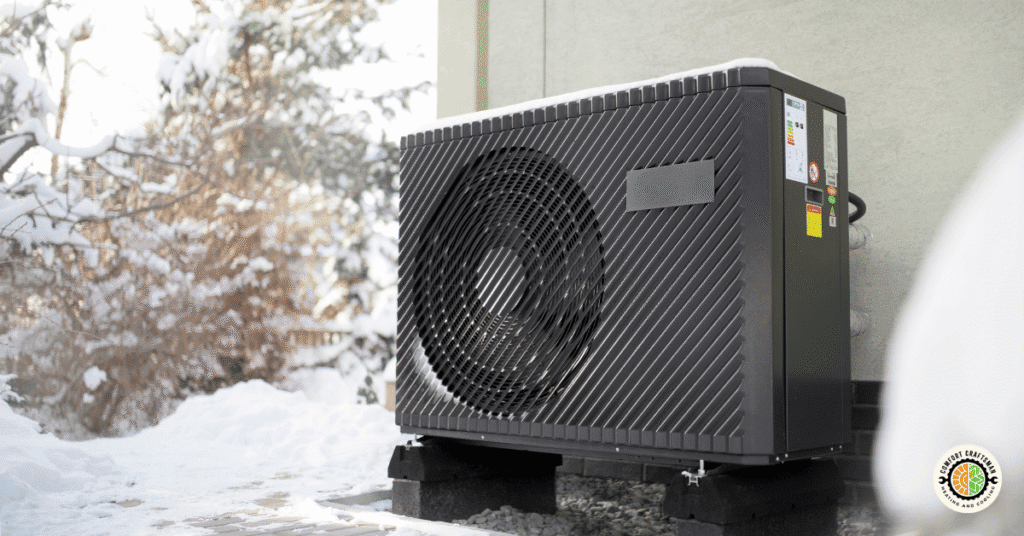
Older heat pumps struggled in the coldest days. But modern cold climate heat pumps use inverter-driven compressors and advanced refrigerants, allowing them to pull heat from the outdoor air even at 5°F. Some air source heat pumps work effectively down to -10°F, though efficiency declines at extreme lows.
This means installing heat pumps can be a practical option for Michigan homes if the right unit and professional installation are chosen.
Benefits of a Heat Pump in Michigan
1. Energy Savings
Heat pumps use electricity rather than fossil fuel to transfer heat rather than generate heat. This makes them highly efficient compared to a gas furnace or electric resistance system, leading to long-term energy savings and lower energy bills.
2. Year-Round Comfort
A heat pump provides both heating and cooling your home, eliminating the need for two separate systems.
3. Cleaner Energy Choice
Since heat pumps are an energy-efficient option, they help lower greenhouse gas emissions and reduce reliance on fossil fuels.
4. Zoned Comfort
Ductless mini-splits let homeowners heat only the rooms they use most.
Limitations of Heat Pumps in Harsh Winters
- Efficiency drop: Heat pumps operate less efficiently during Michigan’s coldest days and may need backup heat.
- Upfront costs: A heat pump installation is usually more expensive than furnace replacement.
- Hybrid systems recommended: Pairing a furnace with a heat pump ensures reliable heating on frigid winter days.
Heat Pumps vs. Furnaces
- Furnace: Reliable, generates heat quickly, ideal for extreme cold.
- Heat pump: Provides both heating and cooling, more energy-efficient than traditional systems, and offers long-term energy savings.
- Hybrid: Often the right choice for your Michigan home, combining efficiency with backup heat.
Professional Heat Pump Installation
Even the best heat pump’s efficiency depends on correct installation.
- Proper sizing ensures enough heat is transferred.
- Duct cleaning, repair, and sealing improve airflow.
- Hybrid setups keep your home warm during Michigan’s coldest days.
Professional heating system installation ensures reliability, energy efficiency, and comfort.
Heat Pump Maintenance
Routine cleaning, repair, and seasonal tune-ups keep heat pumps efficient.
- Replace furnace filters or heat pump filters every 1–3 months.
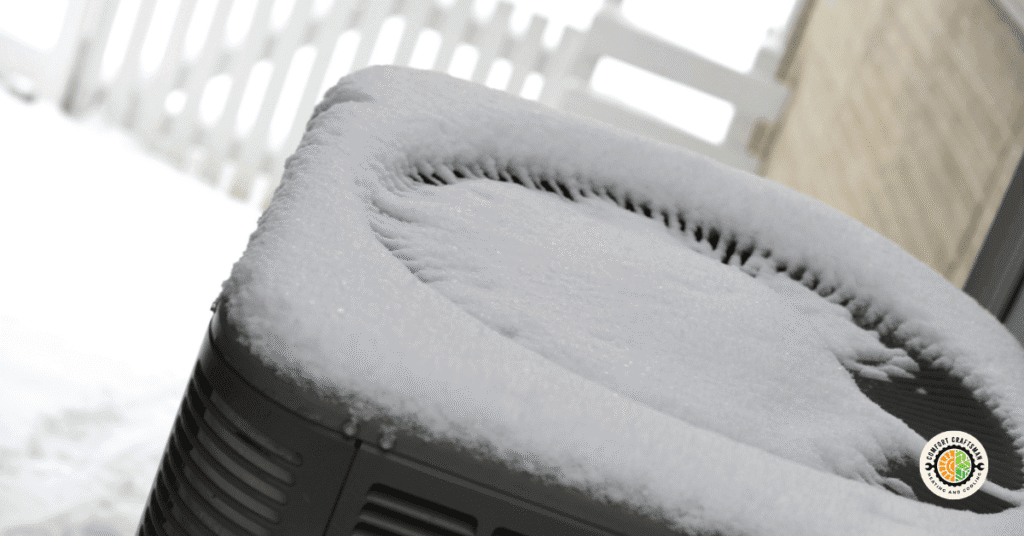
- Keep outdoor units clear of ice and snow.
- Schedule professional inspections to check the heat exchanger, refrigerant levels, and airflow.
Regular heating maintenance ensures your system provides both heating and cooling your home effectively for years.
Conclusion
So, is a heat pump right for Michigan winters? Modern cold climate heat pumps are effective in Michigan when installed correctly and often paired with a backup furnace. They provide energy savings, reduce emissions, and keep your home warm in harsh winters.
For homeowners in Livonia and across Michigan, the best way to determine if a heat pump would be right is to schedule a consultation with an experienced HVAC professional. With the right system and proper installation, heat pumps can keep your home and help you stay comfortable throughout Michigan’s frigid winters.