


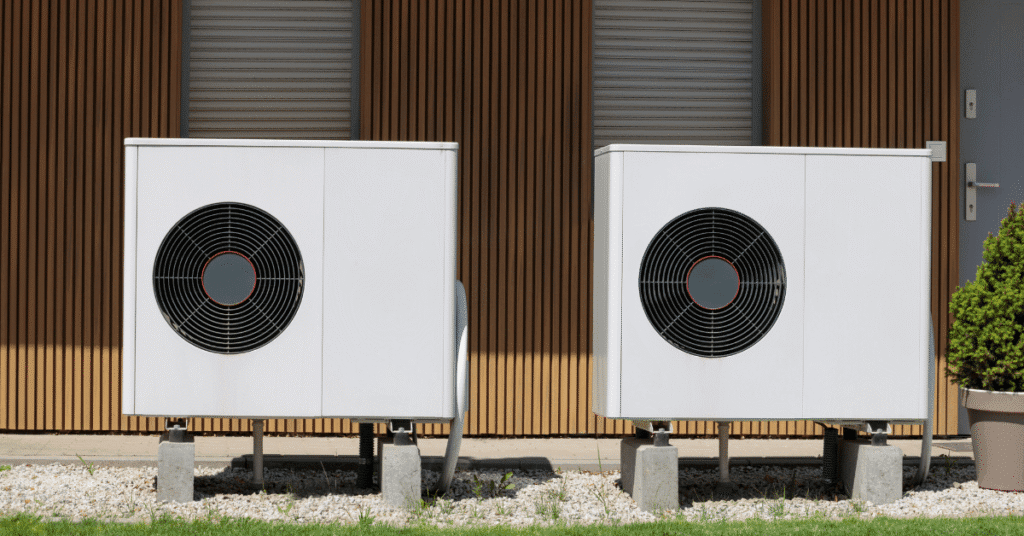
Michigan homeowners face unique challenges when it comes to heating and cooling. The state experiences long, freezing winters and hot, humid summers. Traditionally, most homes rely on a furnace for winter and an air conditioner for summer. But in recent years, heat pump installation has gained popularity as an all-in-one solution for both heating and cooling.
A heat pump can heat and cool your home, offering potential energy efficiency benefits and environmental advantages. However, before deciding if this system is right for your Michigan home, it’s important to carefully weigh the pros and cons. At Comfort Craftsman Heating and Cooling in Livonia, MI, we help every homeowner make informed choices that fit their comfort, budget, and lifestyle.
What is a Heat Pump?
A heat pump is a device that transfers heat instead of generating it directly. In winter, it extracts heat from the outdoor air or heat from the ground and moves it indoors. In summer, it reverses the process, moving heat from your home outside to keep it cool.
Types of heat pumps include:
- Air-source heat pumps – the most common, pulling heat from the air outdoors.
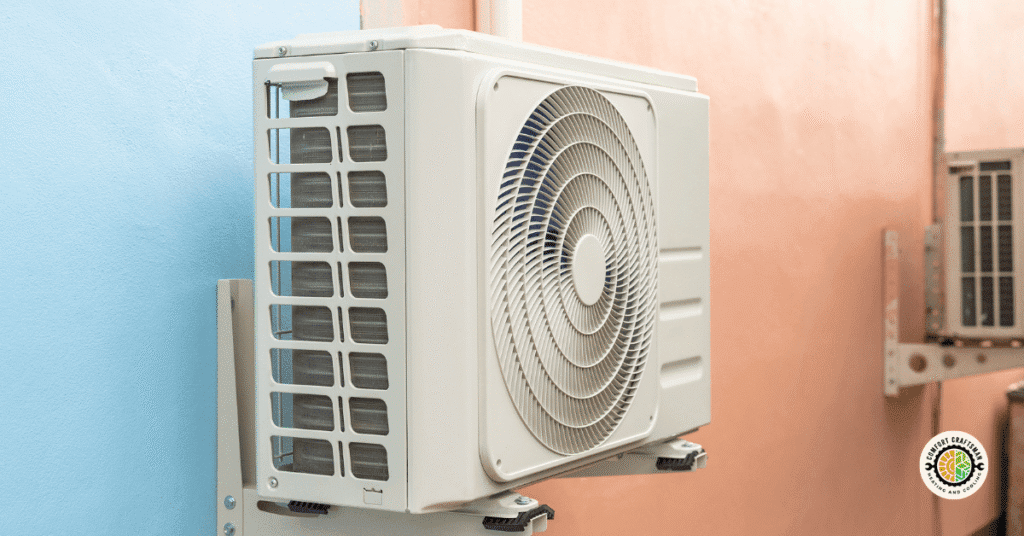
- Ductless mini-split heat pumps – flexible for homes without ductwork.
- Ground-source (geothermal heat pumps) – highly efficient but higher upfront cost.
For homeowners in Michigan, air-source and ductless systems are often the most practical options.
Why Michigan Homeowners Consider Heat Pump Installation
Rising energy costs and environmental concerns push many homeowners to explore alternatives to traditional HVAC systems. Heat pumps in Michigan appeal because:
- They provide both heating and cooling in one system.
- They can reduce reliance on fossil fuel systems.
- Federal tax credits, rebates, and energy efficiency incentives help offset the cost of installation.
- Modern heat pump technology works better in cold-climate heat conditions than in the past.
Pros of Heat Pump Installation in Michigan
Year-Round Comfort
One heat pump system lets you heat and cool your home with ease. This means fewer systems, simplified maintenance, and steady comfort.
Energy Efficiency and Savings
Heat pumps use electricity rather than burn fuel. Because they use electricity to transfer heat, they often consume less energy than a gas furnace. Over time, you may see long-term energy savings and reduced energy bills.
Environmentally Friendly
A heat pump system doesn’t burn fuel like a furnace. Instead, it relies on renewable energy from the air or ground, lowering emissions. This makes it an eco-conscious heating system for those who want to reduce their footprint.
Better Indoor Air Quality
Since heat pumps use electricity and circulate air all year, they help control humidity, filter dust, and provide cleaner indoor comfort.
Incentives and Rebates
Utility companies like DTE Energy and Consumers Energy, along with federal tax credits, can make the upfront cost more manageable. Comfort Craftsman helps homeowners secure every rebate available.
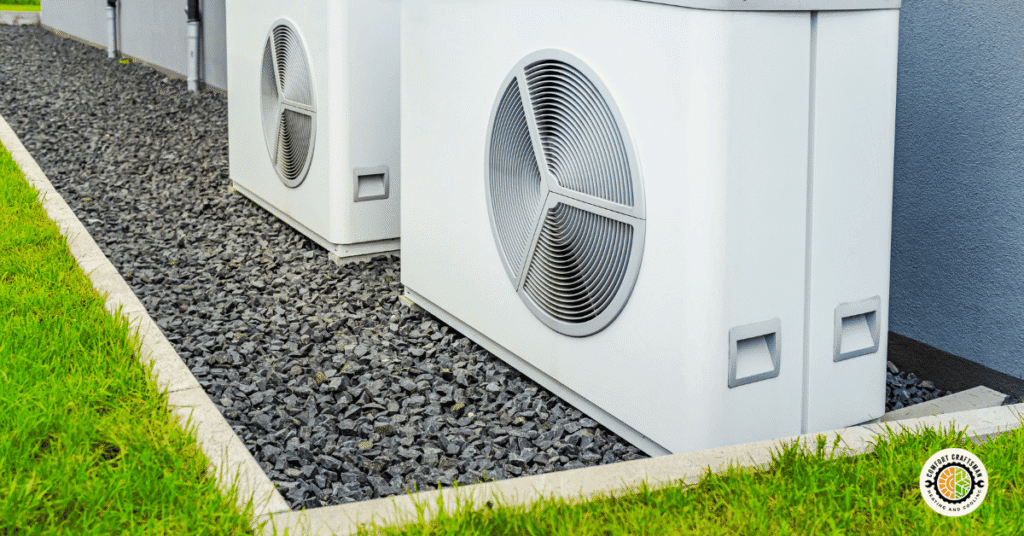
Cons of Heat Pump Installation in Michigan
Cold Weather Limitations
Even with improvements, heat pumps can struggle in harsh Michigan winters. During extreme cold, a backup furnace and a heat pump hybrid system may be required.
Higher Upfront Cost
The cost of a heat pump is often higher than a furnace. Although you gain long-term energy savings, the initial installation cost can be a barrier.
Ductwork and Home Design
Older Michigan homes may not have ductwork designed for modern HVAC systems, requiring upgrades or mini-split heat options.
Electricity Dependence
Since heat pumps use electricity, rising utility costs or winter power outages can create challenges unless you have a backup heating system.
Comparing a Heat Pump vs Furnace and AC in Michigan
- Cost: A furnace and AC system may cost less upfront, while a heat pump system offers long-term savings on your energy bills.
- Performance: A gas furnace generates strong heat in extreme cold, while heat pumps work best above freezing.
- Maintenance: A heat pump installation combines two systems in one, which simplifies cleaning and repair, but increases year-round use.
- Lifespan: A furnace often lasts 15–20 years, while a heat pump averages 10–15 years.
When a Heat Pump Makes Sense in Michigan
- Well-insulated Michigan homes or new builds maximize heat pump efficiency upgrades.
- Homes in southern Michigan (e.g., Livonia) experience milder winters, making switching to a heat pump more practical.
- Homeowners who want long-term energy savings and benefits of a heat pump choose this system.
- Hybrid options like pairing a gas furnace with a heat pump balance both performance and cost.
Professional Heat Pump Installation in Michigan
The advantage of a heat pump depends on correct heat pump installation. At Comfort Craftsman Heating and Cooling, we offer:
- Professional HVAC system design with accurate load sizing.
- Cleaning, repair, and installation of ductwork for maximum efficiency.
- Indoor air quality and efficiency in extreme weather upgrades.
- Ongoing maintenance to protect your investment.
Our team ensures your heat pump is the right system for your comfort and budget.
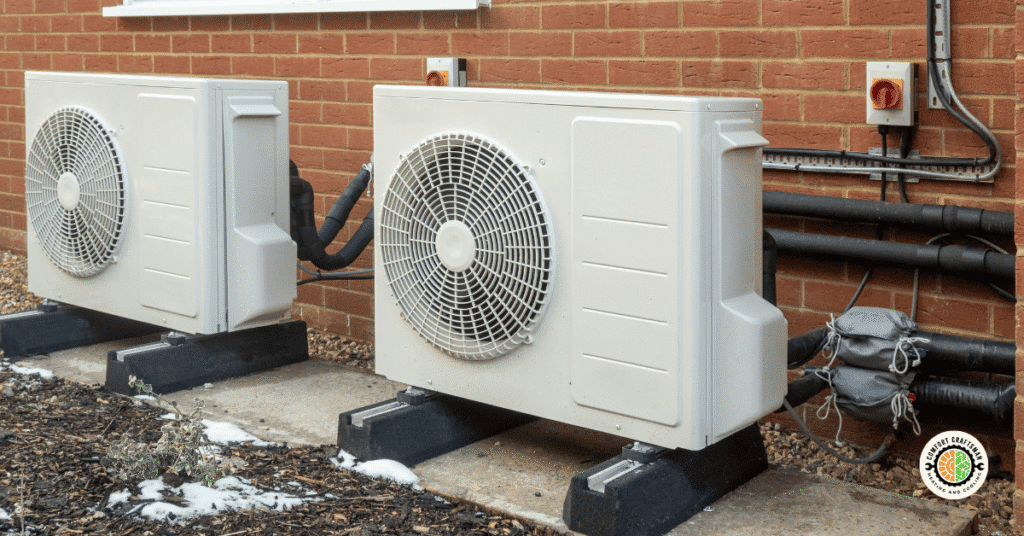
Conclusion
For many families, a heat pump is right for their home in Michigan, especially with available rebates and energy efficiency incentives. While heat pumps offer comfort and environmental benefits, heat pumps aren’t perfect for every situation. If you’re unsure whether a heat pump is right for your Michigan home, consult with trusted professionals. At Comfort Craftsman, we provide solutions that fit your lifestyle, improve comfort, and save you money.