


Older homes have a charm that new construction often can’t match. From beautiful woodwork to unique layouts, they bring history and warmth to a neighborhood. But with that charm also comes challenges, especially when it comes to indoor air quality.
Indoor Air Quality in Older Homes: Signs & Solutions
Many older homes can actually have higher levels of pollution inside compared to outdoor air. If you’ve ever noticed persistent dust, a musty smell, or family members struggling with allergies, you may be dealing with air quality issues. This article explores the real risks of indoor air quality in older homes, the pollutants to watch for, and practical ways to improve air quality through maintenance, cleaning, repair, and installation of modern systems.
Why Indoor Air Quality Matters
Clean air is a health essential, not a luxury. According to the Environmental Protection Agency (EPA), indoor air can be up to five times more polluted than outdoor air. For families in Michigan, that means the place you should feel safest might expose you to hidden health risks.
Poor indoor air quality has been linked to:
- Asthma and allergy flare-ups
- Chronic respiratory irritation
- Sleep disturbances
- Increased risk of adverse health effects such as headaches or fatigue
These problems are often magnified in older homes with outdated building materials, poor ventilation, and hidden leaks.
Unique Challenges of Older Homes
Not all houses face the same problems, but old homes often contain hazards that lead to indoor air quality issues.
1. Aging Ductwork
Older duct systems often leak or collect dust and fibers into the air. Without proper cleaning, contaminants circulate every time the HVAC runs.
2. Insulation and Sealing
Poor insulation and gaps around windows and doors allow outdoor air pollution and moisture infiltration. This encourages mold and mildew growth.
3. Outdated HVAC Systems
Old furnaces, air conditioners, and air handling systems lack filtration. Without repair or replacement, they spread pollutants.
4. Building Materials
Homes built decades ago may contain asbestos, lead paint, or pressed wood products. If disturbed, these materials release asbestos fibers and toxic particles.
Common Indoor Air Pollutants in Older Homes
The air inside may look clean, but hidden contaminants can pollute your indoor environment.
- Mold and mildew from basements or roof leaks
- Pet dander and house dust mites trapped in carpets
- Combustion byproducts like carbon monoxide from fireplaces, gas stoves and heaters, or chimneys
- Volatile organic compounds (VOCs) from paints and painted surfaces
- Asbestos-containing materials or fibers from insulation
- Lead paint flakes that increase the risk of exposure to lead and even risk of lung cancer
- Tobacco smoke and other irritants
Together, these create common indoor air pollutants that lead to poor breathing conditions.
Signs Your Older Home Has Poor Air Quality
You may notice:
- Dust returning quickly despite regular cleaning
- Musty odors or smoky smells
- Family experiencing headaches or allergies
- Condensation around windows and doors
- Uneven temperature and poor ventilation in rooms
These warning signs suggest indoor air quality issues that need testing.
How to Test Indoor Air Quality
Professional Testing
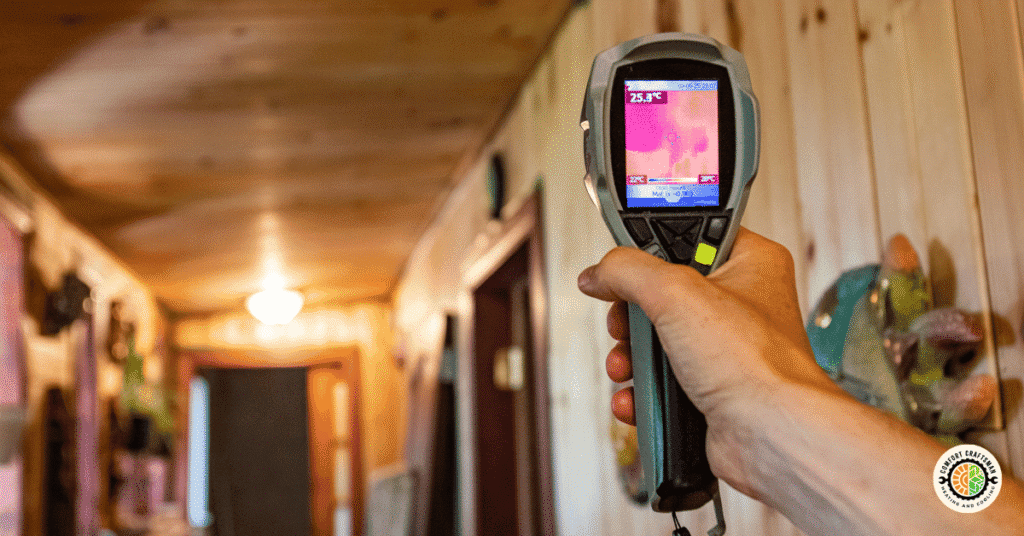
Hire certified contractors to test for radon in homes, asbestos, or leaks. They also measure air exchange rate, humidity, and pollutant concentrations.
At-Home Monitors
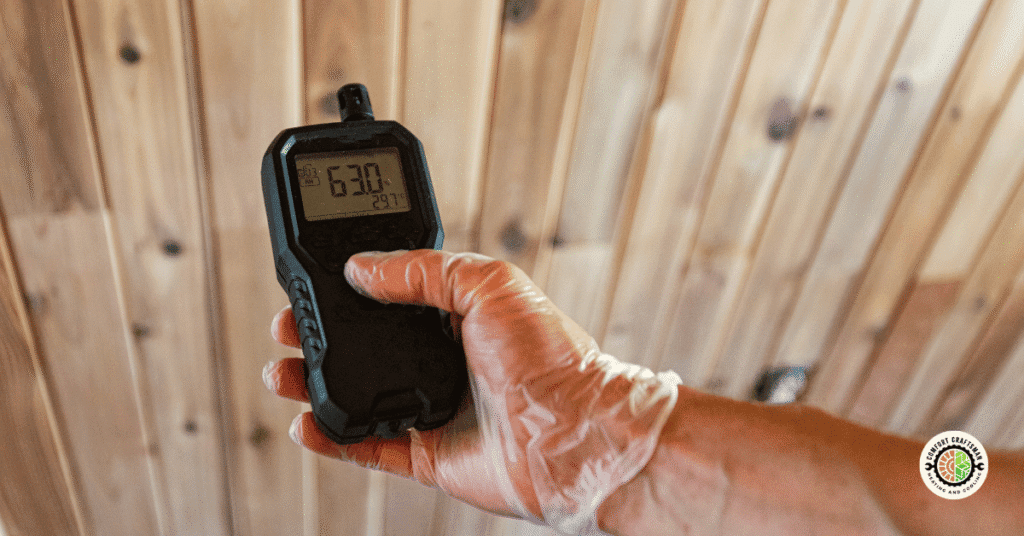
Devices track carbon monoxide, indoor radon, VOCs, and humidity levels.
HVAC Inspections
Routine maintenance uncovers clogged air filters, duct leaks, and malfunctioning systems needing repair or installation of upgrades.
Practical Solutions to Improve Air Quality in Older Homes
You can improve indoor air quality with a combination of cleaning, repair, and installation:
- Duct Cleaning and Sealing – Removes buildup and stops infiltration
- Upgrading HVAC Systems – New installation improves efficiency and reduces pollutants
- High-Efficiency Filters and Air Purifiers – A room air purifier or air cleaner reduces allergens and fibers
- Ventilation Upgrades – Better air exchange with fresh outdoor air reduces indoor concentrations
- Humidity Control – Prevents mold and mildew and keeps temperature and humidity levels balanced
- Chimney and Fireplace Maintenance – Cleaning prevents soot and carbon monoxide risks
Even simple actions like using indoor plants can help purify the air.
Seasonal Concerns for Michigan Homeowners
Michigan winters and summers both affect air quality inside.
Winter Concerns
- Closed windows reduce air exchange
- Old furnaces release combustion pollutants
- Dry air worsens allergies
Summer Concerns
- High humidity leads to mold and mildew growth
- Open windows bring in outdoor air pollution
- Higher pollutant levels increase discomfort
Managing seasonal changes is critical for homeowners to maintain a healthy home environment.
How Comfort Craftsman Heating and Cooling Helps
Our services for Livonia and nearby families include:
- Furnace and AC repair
- HVAC installation and replacement
- Professional duct cleaning and sealing
- Air purifier system installation
- Humidity control solutions
- Emergency HVAC repair and service
We ensure older homes reduce exposure to indoor concentrations of pollutants and enjoy healthier, safer air.

Conclusion
Many older homes contain hidden hazards in older construction, from asbestos to lead paint. Without attention, these lead to poor air quality and long-term health risks. But with proper testing, regular cleaning, sealing leaks, and upgrading systems, homeowners can improve indoor air and protect their families.