


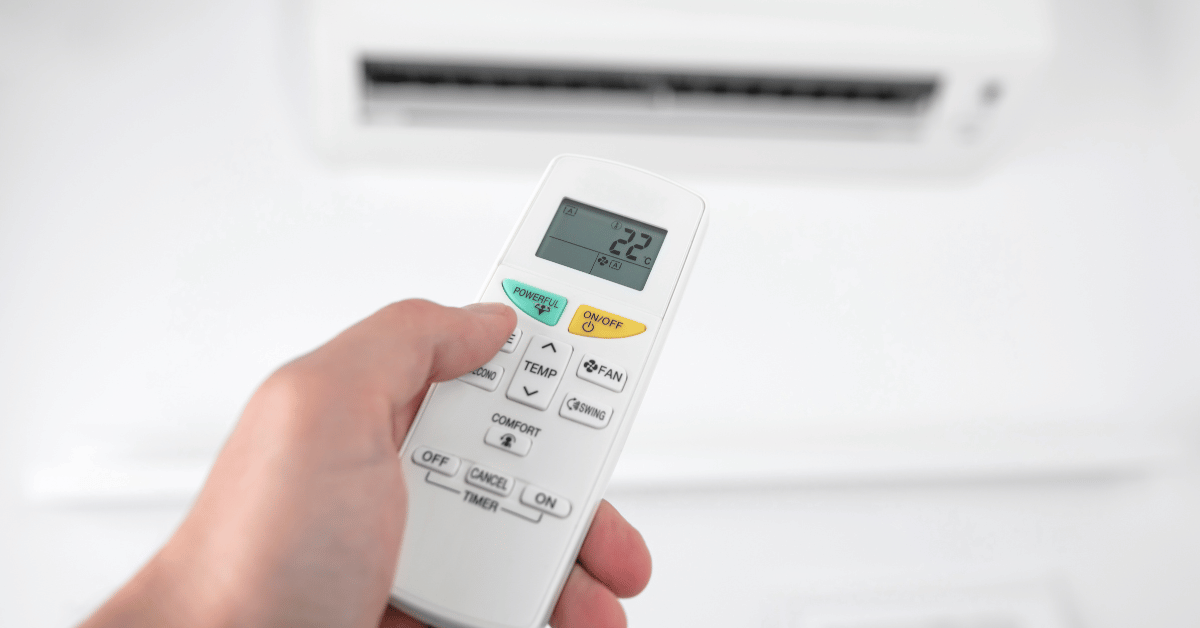
If you’ve ever sat at home on a muggy summer evening in Livonia, you know how uncomfortable high humidity can feel. Even when the temperature isn’t scorching, the air can feel sticky and heavy. That’s where the dry mode setting on AC can help you. Many homeowners notice the dry mode button on their AC remote but aren’t quite sure what it does or when it’s best to use.
Dry mode is a setting on your AC unit designed to reduce humidity in your home without drastically lowering the actual temperature. It can be a comfort saver during Michigan’s damp summers, improving indoor air quality while also putting less strain on your AC system. In this guide, we’ll explain how dry mode works, when to use it, and why it’s useful for energy savings, comfort, and home protection.
What is Dry Mode Setting on AC?
Most air conditioning units come with multiple settings: cool, fan, auto, and dry. Dry mode is a setting that isn’t about dropping the actual temperature but about pulling excess moisture from the air.
When you use the dry mode, your air conditioner’s evaporator coil works by condensing water vapor. The compressor runs at intervals while the fan operates at a lower speed, allowing the AC system to pull out moist air and make the air feel lighter. This results in greater comfort without the chill of standard cooling mode.
Why Humidity Control Matters in Michigan Homes
Humidity in your home is just as critical to comfort as temperature. When humidity levels climb, even a cool 72°F can feel stifling. Excessive moisture in the air can also harm both your health and home:
- Encourages mold and mildew growth.
- Leaves musty odors in carpets, furniture, and air vents.
- Causes warped wood floors and damage to furniture.
- Places extra strain on your air conditioning system, leading to the need for AC repair sooner.
Keeping humidity levels in your home balanced improves comfort, protects your property, and extends the life of your AC unit.
When Should You Use Dry Mode?
Dry mode on AC isn’t for every day. It works best when temperatures are mild but humidity is high. Examples include:
- Mild & Humid Days – Temperatures between 65°F and 75°F but humid air lingers.
- Rainy or Stormy Weather – When rainfall makes indoor air feel damp.
- Nighttime Comfort – If the air feels sticky but not overly warm.
- Basements & Lower Levels – Spaces that naturally collect more moisture in the air.
If it’s 90°F and sunny, cool mode is the right choice to cool the air and maintain comfort.
Benefits of Using Dry Mode
The benefits of using dry mode extend beyond comfort:
- Improves Comfort – Removes sticky, humid air without making the room overly cold.
- Saves Energy – Dry mode uses less energy than full cooling mode.
- Prevents Mold and Mildew – Helps protect indoor surfaces and air quality.
- Reduces AC Strain – Allows your AC system to run at a low speed, reducing wear and lowering the need for repairs.
When NOT to Use Dry Mode
There are times when dry mode on your air conditioner isn’t ideal:
- Extremely Hot Days – You need cool mode to actually cool the air.
- Large Gatherings – Extra body heat requires full cooling.
- Winter Months – Using dry mode in already dry indoor air can cause dry skin and discomfort.
Difference Between Dry Mode and Dehumidifier
The difference between dry mode and a dehumidifier is important:
- Dry Mode – Short-term relief, pulling excess moisture from the air through your air conditioning system.
- Dehumidifier – A dedicated appliance designed to manage high humidity consistently.
If your home feels damp year-round, a professional installation of a whole-home dehumidifier may be the better option.
Tips for Using Dry Mode Effectively
To get the most out of dry mode on your AC:
- Press the mode button to activate dry mode only on humid days.
- Set a moderate setting on your AC unit rather than going too low.
- Pair with ceiling fans to circulate dry indoor air.
- Alternate between cool mode and dry mode for comfort balance.
- Schedule regular AC cleaning and maintenance to keep the air conditioner in dry mode working efficiently.
Professional HVAC Support
If you still struggle with humidity levels in your home, musty odors, or uneven comfort, it may be time for expert help. Professional HVAC services can include:
- AC maintenance, repair, and cleaning.
- Installation of whole-home dehumidifiers.
- Furnace repair and seasonal tune-ups.
- Air filtration and duct cleaning to improve indoor air quality.
Comfort Craftsman Heating and Cooling in Livonia offers AC repair, cleaning, and installation services to help homeowners manage both temperature and humidity.
Conclusion
Dry mode can help you achieve comfort on damp, mild days by pulling out excessively moist air without overcooling your home. Knowing the best time to use dry mode, understanding how the mode works, and combining it with regular AC cleaning and repair ensures long-lasting comfort.
For Livonia homeowners, Comfort Craftsman is here to provide expert AC installation, repair, and cleaning services to improve comfort in your home year-round.
