


When the power goes out during a winter storm in Michigan, your home doesn’t just go dark. Your furnace stops working, temperatures drop, and you’re left scrambling for flashlights and blankets. For many Livonia homeowners, the question isn’t whether they’ll experience a power outage, but when. That’s where whole home standby generators come in, quietly waiting to keep your heating, cooling, and essential systems running when you need them most.
Understanding how standby generators work can help you make an informed decision about protecting your home and family. Let’s break down the mechanics, benefits, and practical considerations of these backup power systems.
What Is a Whole Home Standby Generator?
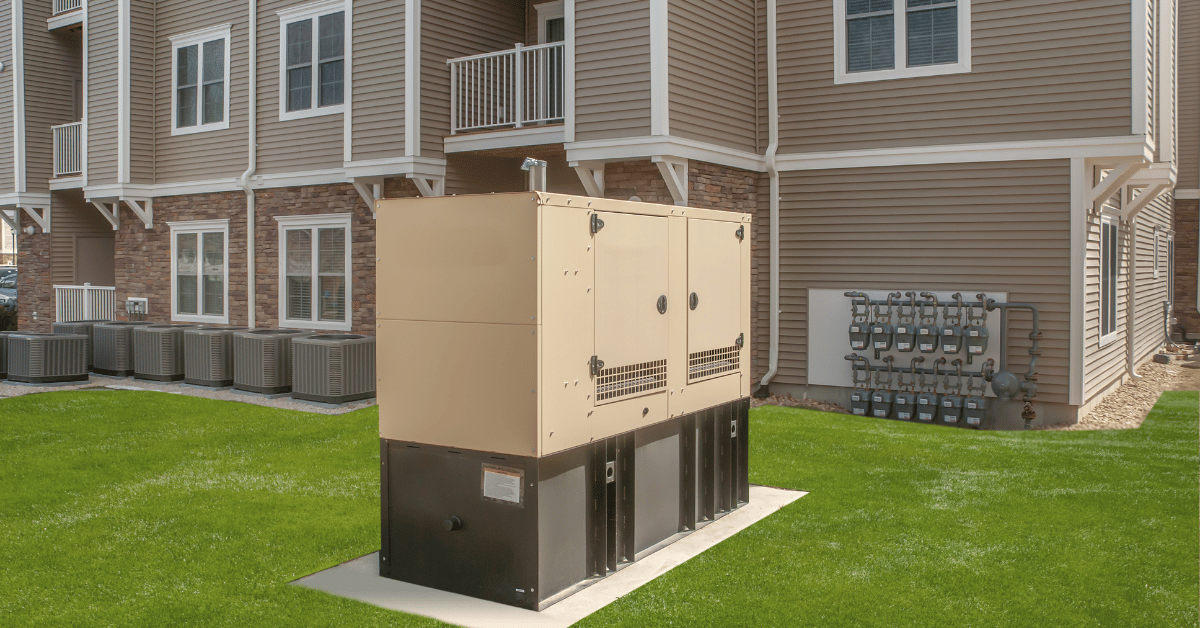
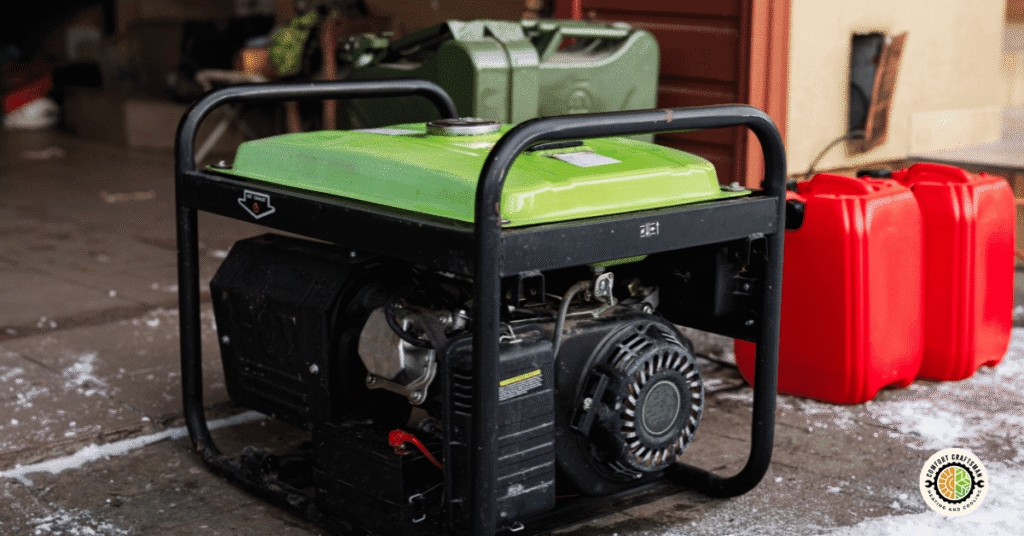
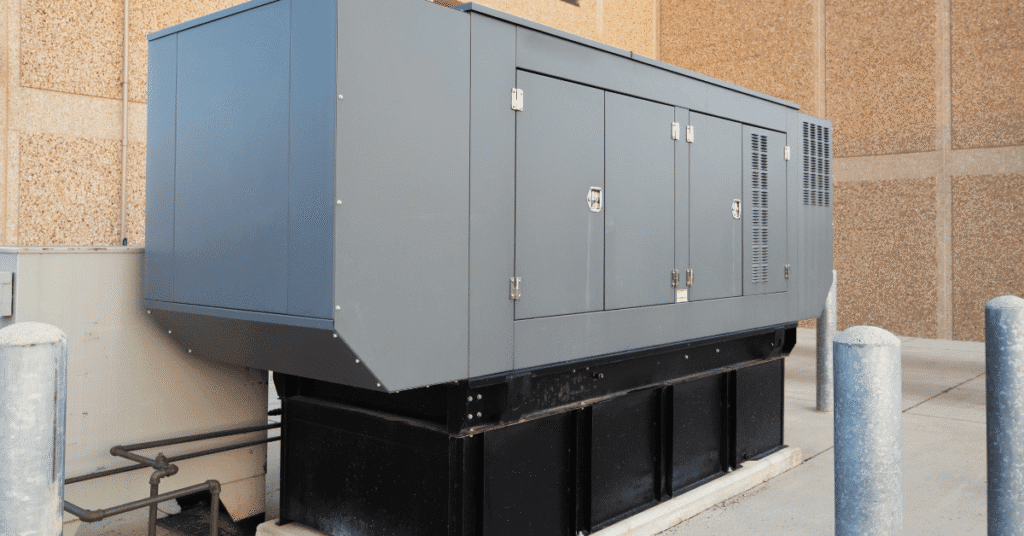
A whole home standby generator is a permanent backup power system installed outside your home, similar to a central air conditioning unit. Unlike a portable generator that you manually set up, standby generators are permanently installed and hardwired into your home’s electrical system, starting automatically during a power outage.
These generator systems run on natural gas or propane, ensuring you never worry about refueling during an extended outage. For homes in Livonia and throughout Michigan, where winter storms can cause complete loss of power for hours or even days, this automatic backup generator keeps your furnace running and prevents frozen pipes and costly damage.
Key Components of a Home Standby Generator
Essential parts that make whole-home standby generators function:
- Automatic Transfer Switch (ATS): Constantly monitors utility power and switches to generator power when needed
- Generator Engine: Creates the mechanical energy needed to produce electrical power
- Fuel System: Connects to your home’s natural gas line or propane tank
- Control Panel: Monitors performance and alerts you to maintenance, cleaning, and repair needs
- Weather-Resistant Enclosure: Protects all components from Michigan’s harsh weather conditions
How Standby Generators Actually Work During Power Loss
The beauty of a whole house standby generator lies in its automatic operation. Your transfer switch is always monitoring the electrical current coming from your utility company, checking voltage levels multiple times per second.
The moment it detects that utility power returns below safe levels or goes out completely, it sends a signal to the generator to start. Within 10 to 30 seconds, the engine reaches proper speed and voltage output. The ATS then disconnects your home from the utility power grid and connects to generator power.
When main power is restored:
- The system waits several minutes to ensure the power grid is stable
- Once confirmed, the ATS switches your home back to the power grid and connects to utility power
- The generator continues running briefly to cool down properly
- The system returns to standby mode, ready for the next event of a power outage
Sizing Your Whole House Generator
Choosing the right size generator is critical for generator installation. Too small, and you won’t power your home properly. Too large, and you’re spending money on capacity you’ll never use.
Common appliance wattages to consider:
- Refrigerator: 600-800 watts
- Sump pump: 1,000-2,000 watts
- Well pump: 1,000-3,000 watts
- Water heater (electric): 4,000-5,500 watts
- Air conditioning system: 3,000-5,000 watts
A professional assessment is worth the investment. An experienced contractor from Comfort Craftsman can calculate your actual needs, accounting for startup surges to ensure enough power for simultaneous operation of multiple systems.
Fuel Options: Natural Gas Generator vs. Propane
Most homeowners choose between two fuel sources for their backup power system. A natural gas generator connects directly to your home’s existing gas line, the same one powering your furnace and water heater. The advantage is simple: you never run out of fuel, providing reliable backup power indefinitely.
Propane generators use liquid propane stored in a tank on your property. If your home doesn’t have natural gas service, propane is an excellent alternative. The fuel is stable and stores long-term without degrading, making it ideal for ensuring generators provide power when needed most.
Whole Home Generator Installation and Placement
Installing a whole home standby generator isn’t a DIY project. It requires electrical work, gas line connections, proper permitting, and professional installation. Your generator system needs a level concrete pad, positioned at least five feet from your home’s walls, windows, and doors.
Modern standby generators are significantly quieter than older models, operating at 60-70 decibels. Strategic placement away from bedrooms and outdoor living spaces ensures peace of mind without noise disruption.
Integration with Your HVAC System
One critical benefit of a whole house generator is keeping your heating and cooling systems operational during outages. In Michigan’s harsh winters, a working furnace prevents serious property damage and keeps your home running smoothly.
When temperatures drop below freezing and losing power to your home occurs, pipes can freeze in just hours. Your home standby generator keeps your furnace running, maintaining safe temperatures throughout your entire home. The generator to your home’s electrical system provides clean, stable power, protecting your expensive HVAC equipment from damaging surges.
Maintenance Requirements: Cleaning, Repair, and Testing
Like your furnace or air conditioner, generators need regular maintenance for reliable operation when losing power strikes.
Routine maintenance tasks include:
- Oil and filter changes every 1-2 years or after 200 hours of operation
- Battery inspection and replacement every 2-3 years
- Air filter cleaning or replacement annually
- Spark plug replacement as needed
- Regular system inspection and repair when necessary
Most generators run a self-test cycle automatically once weekly for about 15 minutes. This keeps components lubricated, charges the battery, and confirms everything works properly. Many homeowners schedule annual professional inspections with Comfort Craftsman before storm season arrives.
Benefits for Livonia Homeowners
Michigan weather is unpredictable and severe. Ice storms, high winds, and heavy snow regularly knock out power across the region.
Key advantages of whole-home generators:
- Winter Storm Protection: Your furnace keeps running when blizzards hit, keeping your family comfortable during a power outage
- Peace of Mind: Whether home or away, you know your house is protected with reliable backup power
- Home Value Increase: Generator installation adds significant resale value to your property
- Medical Equipment Support: Essential for families with oxygen concentrators, CPAP machines, or refrigerated medications
- No Food Waste: Your refrigerator and freezer continue running, protecting groceries during extended outages
Working with Professional Contractors
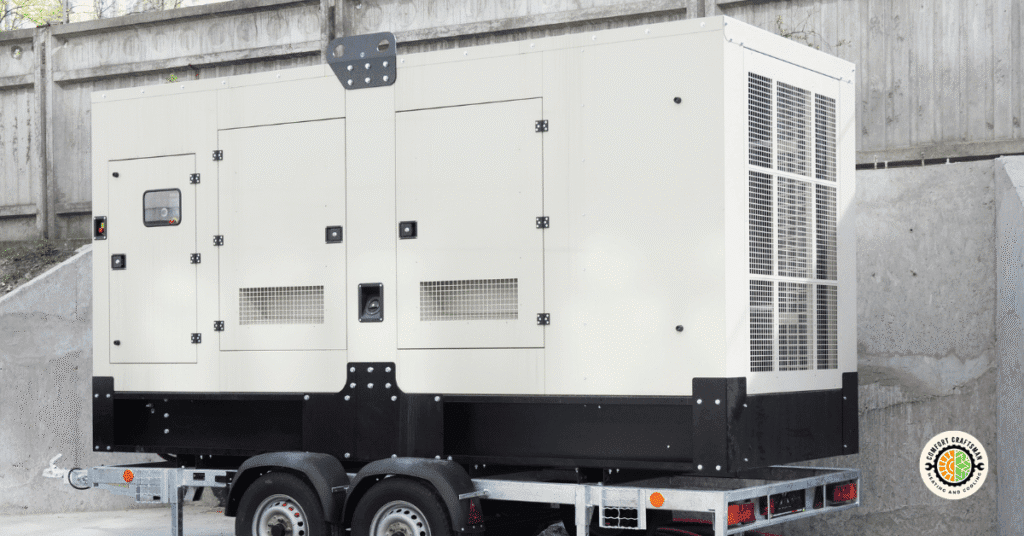
Choosing the right whole house standby generator and ensuring proper installation requires expertise. Working with certified professionals who understand both electrical systems and HVAC integration is crucial for safety and performance.
Comfort Craftsman in Livonia can assess your home’s specific needs, pull necessary permits, and complete installation according to local codes. Our team coordinates the electrical work, gas line connections, and automatic transfer switch setup, ensuring everything works seamlessly with your existing heating and cooling systems. Professional installation also protects your investment through proper warranty coverage and ensures safe operation for years to come.
